
 Subscribe Today for only $14.99!
|
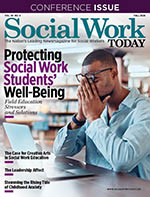
Fall 2026 Issue Editor’s Note: Learning by Doing Fall is back-to-school season, turning our attention to the topic of education, which is highlighted in our cover story. For social work, field education is a vital part of training where students get to put theory into practice, use what they’ve learned, and discover what skills still need to be developed. However, the experience can also cause additional stress, whether it be the mental weight of facing emotionally heavy issues for the first time in a professional capacity or financial strain and role conflict from having to balance job and family responsibilities alongside an unpaid field placement. “Protecting Social Work Students’ Well-Being: Field Education Stressors and Solutions” delves into these challenges as well as the importance of self-care. Another feature focusing on social work education is “Illuminating Human Experience: The Case for Creative Arts in Social Work Education,” which emphasizes the importance of including creative arts in social work curricula. Art, music, creative writing, photography, drama, dance, and more are not just recreational but also therapeutic. They support emotional expression, provide openings into difficult conversations, and strengthen empathy, communication skills, and cultural responsiveness. Turn to page 14 to learn more about equipping social work students with artistic modalities to prepare them to engage with clients. Also featured in this issue is leadership, which is an important factor in employee retention. For nonprofit and other social service settings, which tend to struggle with being understaffed, overworked, and underpaid, poor leadership can exacerbate workplace challenges. It’s even more important for these organizations to have effective leaders to mitigate high turnover and burnout. “The Leadership Affect” explores the impact an organization’s leadership has on both its employees and its clients, and ways to ensure that impact is positive. Our final feature focuses on the most common mental health condition among children: anxiety. Whether due to rising prevalence or increased awareness and diagnosis, the percentage of children with anxiety is escalating, increasing the need for therapists to help identify anxiety triggers and manage symptoms. “Stemming the Rising Tide of Childhood Anxiety” discusses the prevailing therapeutic approaches for treating childhood anxiety and choosing the right one based on the child’s and family’s needs. Since parents play a large role in their children’s care, it’s important that they receive support as well in order to help the children succeed. Enjoy the issue. — Heather Hogstrom |
 Education Guide
 Education Spotlight
 Social Service Directory
 Webinars

Great Valley Publishing Company
1721 Valley Forge Road #486
Valley Forge, PA 19481
1721 Valley Forge Road #486
Valley Forge, PA 19481